Understanding the Anion Gap?
The anion gap is a computed value based on common electrolytes in a blood test. It helps clinicians evaluate acid-base balance and identify possible sources of unmeasured anions in the blood. In practice, the anion gap is a useful diagnostic aid when reviewing serum chemistry results during a clinical assessment.
Most often, the calculation uses sodium and chloride, along with bicarbonate. Because these lab values mirror the balance of charged particles in the bloodstream, the anion gap can help reveal an underlying metabolic disorder such as metabolic acidosis. A blood test may look otherwise routine, but the anion gap can highlight important clues about an electrolyte imbalance.
Although the name suggests a gap, it is not a true empty space. Instead, it is an estimate of the difference between https://telegra.ph/Calculating-Anion-Gap-With-Units-08-30 measured cations and measured anions. That makes it an important concept in clinical interpretation of lab results and a standard part of the metabolic acidosis workup.
Anion Gap Formula and Input Values
The anion gap formula is usually based on three major lab values: Na, chloride, and bicarbonate. Many healthcare providers use an Anion Gap Calculator to accelerate the math and reduce manual errors when reviewing a lab result.
The basic formula is:
Anion gap = serum sodium − (serum chloride + serum bicarbonate)
Certain versions of the calculation also include K. With potassium added, the equation becomes:
Anion gap = (serum sodium + potassium) − (serum chloride + serum bicarbonate)
Each method are used in clinical practice, but the potassium-inclusive version is less common because potassium usually contributes only a limited amount to the final value. The most important thing is to know which method your laboratory or clinician uses so the reading stays uniform.
An anion gap calculator is especially useful when comparing serial results, looking for subtle shifts in lab values, or checking whether an elevated result may indicate a real acid-base problem. It offers a fast estimate of the anion gap using standard laboratory inputs and can support broader medical interpretation.
How to Work out the Anion Gap Step-by-Step
To calculate the anion gap manually, you need three key measurements: serum sodium, serum chloride, and serum bicarbonate. The procedure is simple and can be used to confirm a calculator result.
Use these steps:
- First, start with the serum sodium value. Combine serum chloride and serum bicarbonate together. Deduct that total from the sodium value.
Here is a simple calculation example:
- Serum sodium = 140 Serum chloride = 102 Serum bicarbonate = 24
Then apply the formula:
140 − (102 + 24) = 140 − 126 = 14
In this example, the anion gap is 14. Depending on the lab’s reference range, this may be typical or only mildly elevated. A single number should always be interpreted alongside the full clinical picture, including symptoms, the broader serum chemistry panel, and other markers of acid-base status.
Some clinicians also review whether the result suggests a likely metabolic acidosis, especially if the bicarbonate is low. In that scenario, the anion gap can guide the next steps in the differential diagnosis.
Expected Anion Gap Range and Lab References
The normal range for the anion gap can vary depending on the laboratory, the analyzer, and whether potassium is included. That is why the reported lab range matters more than any one single cutoff.
As a rule, many labs use a reference interval that is usually around the low teens, but the exact number depends on the method and local lab variation. Because of this variation, two people with the same lab values may receive slightly different interpretations depending on where the blood test was processed.
Albumin also affects the expected value. Since albumin is a major negatively charged protein in the blood, lower albumin can reduce the measured anion gap even when the underlying acid-base picture is abnormal. This is why the normal range must be considered in context rather than treated as a fixed universal value.
When reviewing a lab result, it is best to compare it with the specific reference range printed by the laboratory. This helps ensure that the reading reflects the correct assay and avoids overcalling a result as abnormal.
What Elevated and Low Anion Gap Results Mean
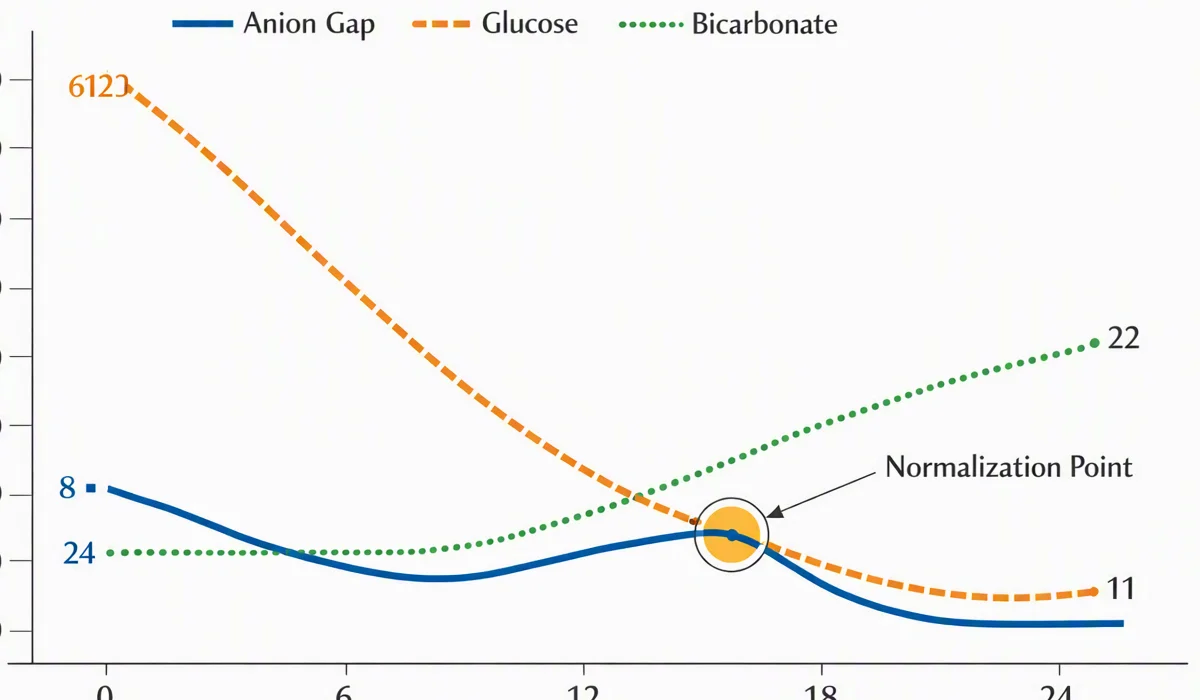
A increased anion gap often suggests an excess of unmeasured acids in the blood. This pattern is especially important in metabolic acidosis, where bicarbonate is depleted as the body neutralizes acid. In that scenario, the elevated gap points toward a problem beyond plain bicarbonate depletion.
A decreased anion gap is rarer, but it can still be clinically meaningful. One frequent cause is hypoalbuminemia, because albumin helps form the normal unmeasured anion pool. Other causes may include laboratory errors or unusual proteins in the blood.
Either high or low values should be interpreted as part of a broader clinical assessment. A one lab value seldom provides the entire answer. Instead, the anion gap acts as a clue that helps refine the differential diagnosis and support a more specific evaluation of the patient’s acid-base status.
Reasons of High Anion Gap Metabolic Acidosis
If the anion gap is increased, clinicians often think about causes of high anion gap metabolic acidosis. Such disorders add to the amount of unmeasured acids in the bloodstream and alter the balance of electrolytes.
Typical causes are:
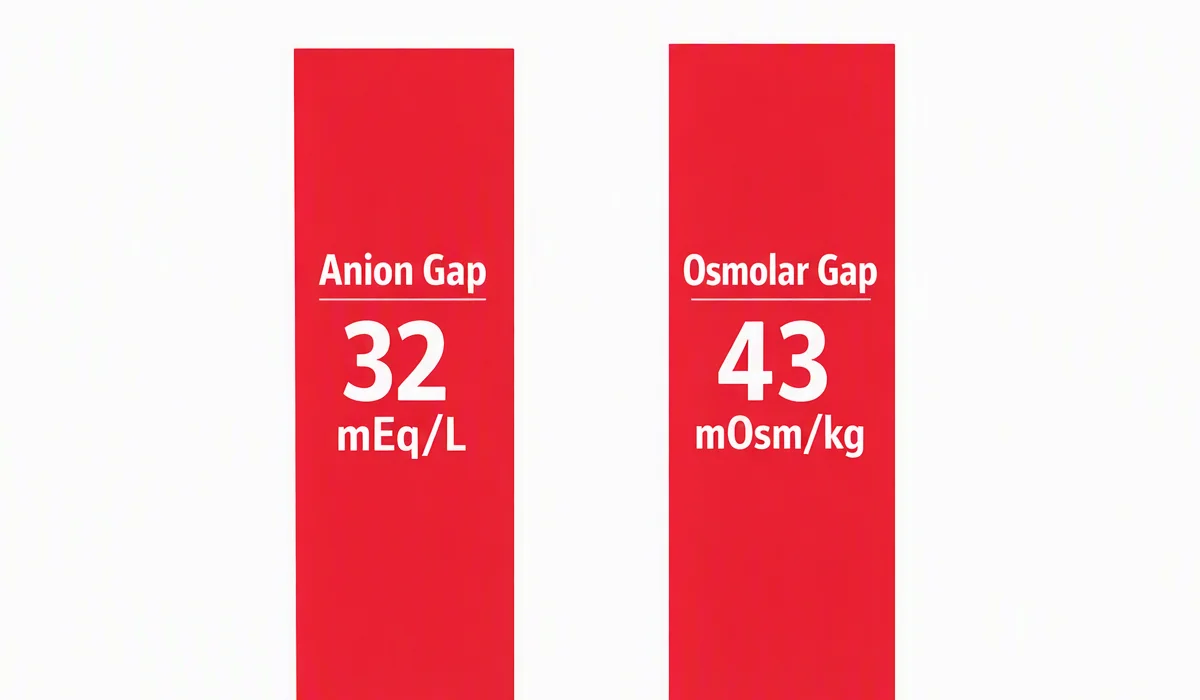
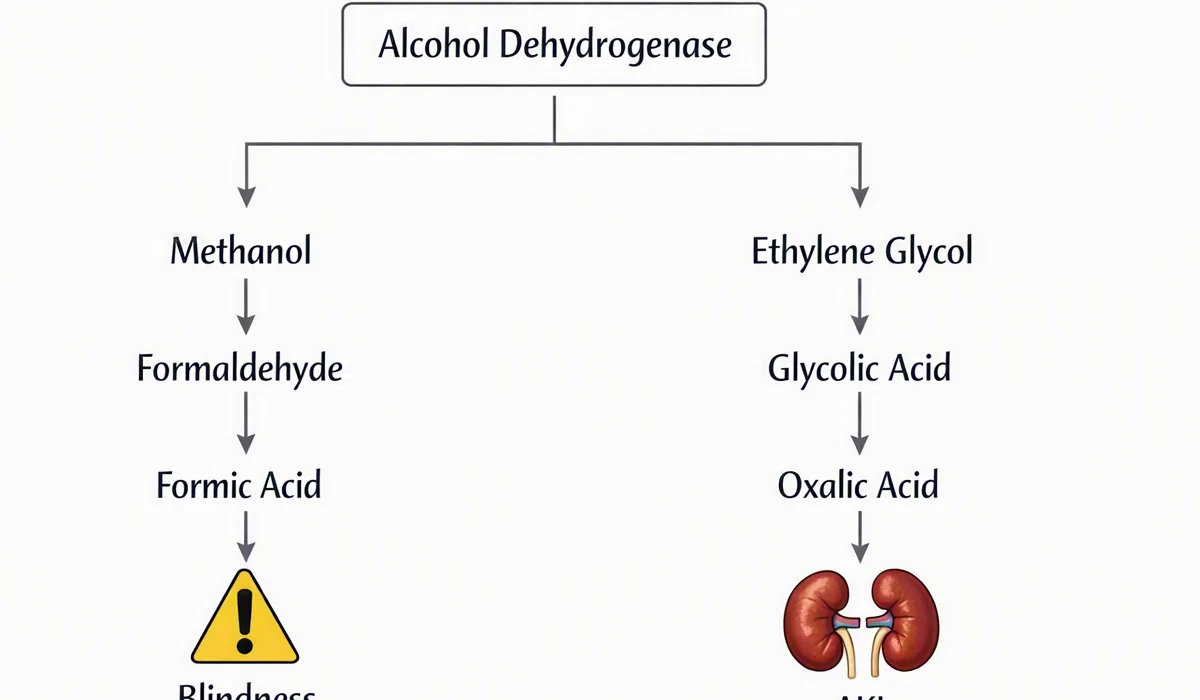
- Lactic acidosis, where lactate accumulates during tissue hypoxia, shock, seizure, or severe illness. Ketone acidosis, that can occur in diabetes, starvation, or heavy alcohol use. Impaired kidney function, where the kidneys cannot clear acids effectively. Poisonous alcohols, such as methanol or ethylene glycol, which create dangerous acid metabolites.
These causes matter because they can signal a serious metabolic disorder requiring urgent treatment. In a metabolic acidosis workup, the anion gap helps differentiate between acid loss and acid accumulation. A higher gap often implies that the body is dealing with added acids rather than simply losing bicarbonate.
Clinicians may also interpret the anion gap as part of a broader differential diagnosis. For example, in someone with altered mental status and an unexplained acid-base disorder, the result may help prioritize toxic ingestion, renal impairment, or severe infection.
Causes of Low Anion Gap
A low anion gap can happen for several reasons, and it should not be overlooked. The leading explanation is hypoalbuminemia, since less albumin means fewer negatively charged proteins in circulation. This changes the measured balance and can decrease the calculated result.
Other potential causes include:
- Hyperalbuminemia, though this is less often a genuine clinical issue than a lab-related or measurement-related finding. Multiple myeloma, where abnormal proteins can alter the serum charge balance. Paraproteins, which may behave as positively charged proteins and lower the calculated gap. Lab error, including specimen or measurement problems that distort the result.
Because a low result can sometimes indicate a testing issue rather than a disease process, it is wise to review the sample quality and repeat the test if needed. In clinical practice, a low anion gap may be the earliest indication to an abnormal protein state or an electrolyte pattern that deserves more detailed evaluation.
Correcting the Anion Gap for Albumin
Albumin-based correction is an important step when evaluating the anion gap, especially if serum albumin is low. Since albumin contributes significantly to the normal anion gap, a reduced albumin level can make the measured value appear falsely low.
The goal of a albumin-corrected anion gap is to determine what the result would be if albumin were normal. This gives a more accurate view of the underlying charge balance in the blood and improves anion gap estimation in patients with protein abnormalities.
Various formulas may be applied, but the general principle is the same: make a correction factor based on the albumin level. When albumin is low, the corrected number may reveal a hidden high anion gap that was concealed by the reduced protein concentration.
This step is especially useful in patients with severe illness, malnutrition, chronic disease, or inflammation, where albumin is often below normal. Without albumin correction, clinicians may downplay the severity of an acid-base disturbance and miss an important part of the diagnosis.
How Clinicians Apply the Anion Gap in Acid-Base Interpretation
The anion gap is one piece of a larger acid-base puzzle. Clinicians use it to help identify acid-base disorders, investigate suspected metabolic acidosis, and interpret the result with other laboratory findings. It is infrequently used alone.
For example, if a patient has low bicarbonate and a high anion gap, that pattern supports an acid buildup process such as lactic acidosis, ketoacidosis, renal failure, or toxic alcohol ingestion. If bicarbonate is low but the gap is normal, the cause may be a different issue altogether, such as gastrointestinal bicarbonate loss or renal tubular problems.
The anion gap is also helpful when reviewing metabolic alkalosis or respiratory disorders. In those settings, clinicians look at the entire pattern of pH, carbon dioxide, bicarbonate, and electrolytes to understand whether the body is compensating appropriately. The anion gap may add extra context even when it is not the main abnormality.
Another useful concept is the delta gap, which compares the difference in the anion gap with the difference in bicarbonate. This helps identify mixed disorders of acid-base balance and can reveal whether more than one process is occurring at the same time. In complex cases, the delta gap brings depth to the clinical interpretation and improves diagnostic accuracy.
Overall, the anion gap supports acid-base balance evaluation by transforming routine lab values into actionable insight. It is a practical tool for analyzing a blood test, structuring the workup, and defining the clinical significance of electrolyte shifts.
Frequently Asked Questions About the Anion Gap Calculator
What is the anion gap calculator used for?
The anion gap calculator is used to determine the anion gap from routine lab values and assist clinical interpretation of acid-base status. It helps detect possible causes of metabolic acidosis, review electrolyte imbalance, and guide the differential diagnosis when a blood test shows abnormal serum chemistry results.
How do you calculate the anion gap formula?
The standard anion gap formula is serum sodium − (serum chloride + serum bicarbonate). Some versions also incorporate potassium, but the sodium-based formula is the most common. An online calculator or manual calculation can both give the result, as long as the same lab values are used consistently.
What is a normal anion gap range?
The normal anion gap depends on the laboratory’s reference range and the analyzer used. Because of laboratory variation, the exact normal range can change from one lab to another. Albumin level also affects the expected result, so the reference interval should always be checked alongside the lab report.
Why is the anion gap high in metabolic acidosis?
The anion gap is high in metabolic acidosis when unmeasured acids accumulate in the blood. Common causes include lactic acidosis, ketoacidosis, renal failure, and toxic alcohols. These conditions increase unmeasured anions and lower bicarbonate, producing a higher calculated gap.
Should the anion gap be corrected for albumin?
Yes, adjustment for albumin is often helpful when blood albumin is decreased. Because albumin plays a role in the normal anion gap, reduced albumin can hide a true elevation. A corrected anion gap provides a more accurate assessment of electrical balance and can improve interpretation in difficult cases.